
Beyond Everyday Challenges: How Occupational Therapy Supports Independence and Wellbeing
Everyday activities are often taken for granted. Getting dressed, preparing a meal, writing, attending school, working, or participating in social activities may seem simple, yet each requires a combination of physical, cognitive, sensory, and emotional skills.
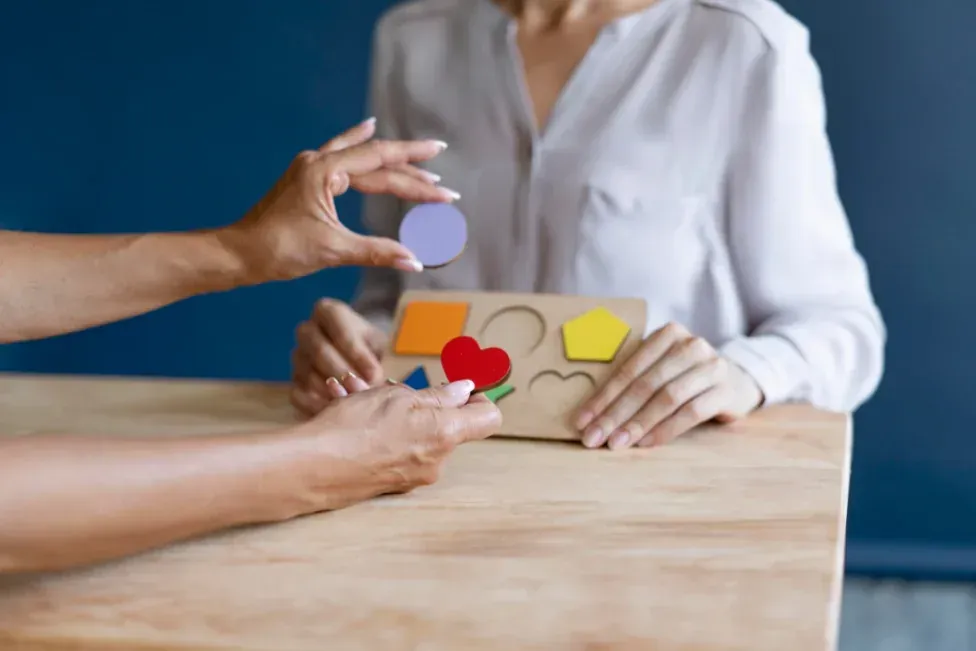
Everyday activities are often taken for granted. Getting dressed, preparing a meal, writing, attending school, working, or participating in social activities may seem simple, yet each requires a combination of physical, cognitive, sensory, and emotional skills.
For some children and adults, these everyday tasks can present significant challenges. Difficulties with coordination, sensory processing, attention, movement, or emotional regulation may affect independence, confidence, and quality of life.
When routine activities become overwhelming, frustrating, or difficult to manage, occupational therapy can provide practical and personalised support.
Occupational therapy focuses on helping individuals develop, maintain, or regain the skills needed to participate in meaningful daily activities. Rather than concentrating solely on a diagnosis or limitation, occupational therapists consider the whole person, their environment, and the activities that matter most to them.
At Maudsley Health Abu Dhabi, our Occupational Therapy services aim to support individuals in developing functional skills, building confidence, and participating more independently in everyday life. Through specialist assessment, individualised interventions, and multidisciplinary collaboration, occupational therapy can make a meaningful difference to wellbeing across different stages of development and life.
What Is Occupational Therapy?
Occupational therapy is a healthcare profession that supports individuals in participating in activities that are important to their daily lives.
In occupational therapy, the term occupation does not refer only to employment. It includes the everyday activities that give life structure, purpose, and meaning.
These may include:
- Personal care, such as dressing, bathing, and grooming
- Eating and preparing meals
- Playing and learning
- Writing and completing schoolwork
- Working and managing responsibilities
- Socialising and participating in community activities
- Managing household routines
- Engaging in hobbies and leisure activities
- Resting and maintaining healthy daily routines
Occupational therapists assess how physical, cognitive, sensory, emotional, and environmental factors influence a person's ability to participate in these activities.
Treatment may involve developing new skills, adapting existing activities, introducing supportive equipment, or modifying the environment to make daily tasks more manageable.
The goal is not simply to improve performance in a therapy session, but to support meaningful participation in real-life situations.
Why Independence Matters for Mental Health and Wellbeing
Independence is closely connected to confidence, self-esteem, and emotional wellbeing.
Being able to complete everyday activities, make choices, and participate in meaningful routines can strengthen a person's sense of autonomy and achievement.
When individuals experience difficulties with daily tasks, they may begin to feel frustrated, discouraged, or increasingly dependent on others.
For children, these challenges may affect confidence at school or during play. For adults, they may influence work, relationships, and personal responsibilities.
Older adults may experience concerns about maintaining independence as physical or cognitive abilities change.
Occupational therapy recognises that functional difficulties can have emotional consequences.
By helping individuals develop practical skills and identify effective adaptations, therapy can support both everyday independence and psychological wellbeing.
How Occupational Therapy Supports Children's Development
Childhood involves learning a wide range of skills that gradually support greater independence.
From holding a pencil and using cutlery to dressing independently and participating in classroom activities, children develop functional abilities through experience, practice, and interaction with their environment.
However, some children experience difficulties that make these tasks more challenging.
Paediatric occupational therapy may support children with:
- Fine motor coordination
- Gross motor planning and coordination
- Handwriting and school-related tasks
- Dressing and personal care
- Sensory processing differences
- Attention and task organisation
- Emotional and behavioural regulation
- Play and social participation
- Daily routines and independence
A child may struggle in one area while demonstrating strengths in others.
For example, a child who communicates confidently may still find handwriting or fastening buttons difficult. Another child may have strong academic abilities but experience sensory sensitivities that make busy classrooms overwhelming.
A personalised occupational therapy assessment helps identify these differences and establish practical goals.
Fine Motor Skills: Building Independence Through Small Movements
Fine motor skills involve the coordinated use of small muscles, particularly those in the hands and fingers.
These skills are essential for many everyday activities, including:
- Holding pencils and crayons
- Using scissors
- Fastening buttons and zips
- Handling cutlery
- Manipulating toys and small objects
- Writing and drawing
- Opening containers
- Completing practical classroom tasks
Children experiencing fine motor difficulties may avoid certain activities, become frustrated during schoolwork, or require more assistance than expected for their age.
Occupational therapy can help develop hand strength, coordination, dexterity, and functional movement patterns.
Therapy may involve play-based exercises, practical activities, and adaptations that make tasks easier to manage.
The emphasis is on improving the child's ability to participate in meaningful activities rather than practising isolated movements without a functional purpose.
Sensory Processing: Understanding How Children Experience the World
Every day, the brain receives and interprets information from the senses.
This includes sight, hearing, touch, taste, smell, movement, body position, and internal bodily sensations.
Sensory processing refers to how the nervous system receives, organises, and responds to this information.
Some children experience sensory differences that affect how they respond to everyday environments.
For example, a child may:
- Become distressed by loud noises
- Avoid certain clothing textures
- Feel uncomfortable with particular food textures
- Seek frequent movement or physical activity
- Become overwhelmed in crowded environments
- Have difficulty noticing certain bodily sensations
- Struggle to remain comfortable or focused in busy classrooms
Sensory differences do not automatically indicate a disorder, and children can have individual sensory preferences without requiring therapy.
However, when sensory challenges significantly interfere with participation, occupational therapy assessment may be helpful.
An occupational therapist may recommend environmental adjustments, practical coping strategies, and activities designed to support functional participation.
Interventions should be based on the child's individual needs and realistic goals, with recognition that evidence varies across different sensory-based approaches.
Supporting Emotional Regulation Through Occupational Therapy
Emotional regulation is the ability to recognise and manage emotional responses in ways that support everyday functioning.
Some children find it difficult to remain regulated during transitions, challenging tasks, or sensory experiences.
They may become frustrated, overwhelmed, withdrawn, or unusually active.
Occupational therapists can explore how sensory, motor, cognitive, and environmental factors contribute to these experiences.
Depending on the child's needs, support may include:
- Creating predictable daily routines
- Developing strategies for managing transitions
- Identifying sensory triggers
- Supporting attention and task engagement
- Teaching practical self-regulation strategies
- Adapting environments to reduce unnecessary stress
- Helping children recognise when they need support
- Collaborating with parents and teachers
Occupational therapy may complement child and family psychology or other mental health interventions when emotional difficulties are significant.
A coordinated approach can help ensure that both functional challenges and psychological needs are addressed.
Occupational Therapy and Autism Spectrum Disorder
Autistic children may experience differences in sensory processing, motor coordination, executive functioning, or participation in daily routines.
These experiences vary considerably between individuals.
Some children may need support with dressing or eating, while others may find classroom organisation, handwriting, or managing changes in routine challenging.
Occupational therapy can help identify barriers to participation and develop strategies that respect the child's individual strengths and preferences.
Support may focus on:
- Personal care and independence
- Sensory comfort and environmental adaptations
- Fine motor coordination
- Functional play skills
- School participation
- Daily routines
- Planning and organisation
- Self-regulation strategies
The aim is not to eliminate autistic characteristics or force children to behave in a particular way.
Instead, occupational therapy seeks to improve access, comfort, independence, and meaningful participation.
For families searching for an autism psychiatrist near me or specialist developmental services, a multidisciplinary assessment may help identify whether occupational therapy, speech and language therapy, developmental paediatrics, or psychological support would be beneficial.
Occupational Therapy for Children with ADHD
Children with attention-deficit/hyperactivity disorder (ADHD) may experience challenges with attention, organisation, impulse control, and completing everyday tasks.
These difficulties can affect schoolwork, personal care, and family routines.
Occupational therapy may support functional skills such as:
- Organising school materials
- Following multi-step routines
- Managing time and transitions
- Developing handwriting efficiency
- Improving task initiation and completion
- Using visual schedules and reminders
- Establishing practical strategies for independence
Occupational therapy does not replace evidence-based medical or psychological treatment for ADHD.
However, it may form part of a broader care plan by addressing specific everyday difficulties.
Collaboration with a child psychiatrist, clinical psychologist, teachers, and caregivers can help align strategies across home and school.
Developing Everyday Self-Care Skills
Self-care skills are important milestones in childhood and remain essential throughout adulthood.
These activities include dressing, bathing, grooming, eating, and managing personal belongings.
Some individuals require additional support because of motor difficulties, developmental differences, cognitive challenges, or physical health conditions.
Occupational therapy can help by breaking complex tasks into manageable steps.
For example, therapy may support a child learning to fasten clothing, use cutlery, or establish a morning routine.
For adults, it may involve adapting dressing techniques following an injury or identifying equipment that supports safer bathing.
Treatment aims to promote independence while recognising that assistance and adaptations may continue to be appropriate for some individuals.
Independence does not always mean completing every task without help. It can also mean having greater choice, control, and confidence in how daily activities are managed.
Occupational Therapy and School Participation
School participation requires more than academic knowledge.
Children must manage classroom routines, use learning materials, maintain attention, organise belongings, interact with peers, and respond to sensory demands.
Difficulties in these areas can affect learning and emotional wellbeing.
Occupational therapists may support school participation by addressing:
- Handwriting and written work
- Pencil control and fine motor skills
- Classroom seating and positioning
- Organisation of materials
- Task planning
- Sensory-related barriers
- Participation in play and physical activities
- Functional independence within school routines
Strategies may include adapting classroom materials, introducing visual supports, or helping teachers understand the child's functional needs.
Where appropriate, occupational therapists may collaborate with educational professionals, developmental paediatricians, or specialists in child and family psychology.
The aim is to help children access learning opportunities and participate more comfortably and confidently in school life.
Occupational Therapy for Adults: Supporting Everyday Functioning
Although occupational therapy is often associated with children's development, it can also benefit adults experiencing difficulties with everyday activities.
Adults may require occupational therapy following an injury, neurological condition, physical illness, or changes in mental health.
Depending on the individual's needs, therapy may address:
- Personal care and daily routines
- Functional movement and coordination
- Cognitive skills required for everyday tasks
- Work-related activities
- Energy conservation
- Environmental adaptations
- Community participation
- Leisure and meaningful activities
- Building sustainable routines
For example, an adult recovering from an injury may need support adapting everyday tasks while regaining functional abilities.
Someone experiencing cognitive difficulties may benefit from practical organisational strategies and environmental supports.
Occupational therapy focuses on the activities that matter most to the individual and develops achievable goals based on their circumstances.
The Role of Occupational Therapy in Mental Health
Mental health difficulties can affect the ability to maintain routines, participate in meaningful activities, and manage daily responsibilities.
Individuals experiencing depression, anxiety, trauma-related difficulties, or other mental health conditions may struggle with motivation, concentration, self-care, or social participation.
Occupational therapy in mental health focuses on the relationship between psychological wellbeing and everyday functioning.
Depending on the setting and the therapist's expertise, interventions may support:
- Establishing manageable daily routines
- Increasing participation in meaningful activities
- Developing practical coping strategies
- Supporting self-care and independence
- Managing sensory or environmental challenges
- Building confidence in social participation
- Returning to education or employment
- Improving balance between activity, rest, and personal responsibilities
Occupational therapy may work alongside psychological therapy and psychiatric care as part of a multidisciplinary treatment plan.
For individuals seeking psychology Abu Dhabi services, understanding the role of occupational therapy can help clarify how practical functional support may complement mental health treatment.
Occupational Therapy Following Neurological Conditions or Injury
Neurological conditions and acquired injuries can affect movement, coordination, cognition, and independence.
Some individuals may experience difficulties with everyday tasks following a stroke, brain injury, or other neurological condition.
Occupational therapy may support rehabilitation by focusing on practical activities such as:
- Dressing and grooming
- Meal preparation
- Using household objects
- Hand and upper limb function
- Planning and organising daily tasks
- Managing fatigue
- Adapting the home environment
- Returning to meaningful activities
Treatment may include task-specific practice, compensatory strategies, adaptive equipment, or environmental modifications.
The approach depends on the person's medical condition, rehabilitation goals, and functional abilities.
Progress may occur gradually, and therapy should focus on realistic, meaningful outcomes rather than promising complete recovery.
Supporting Independence in Older Adults
As people grow older, changes in mobility, strength, cognition, or health may affect their ability to manage daily activities.
Some older adults may find dressing, bathing, cooking, or moving safely around the home increasingly difficult.
These challenges can influence confidence and create concerns about becoming dependent on others.
Occupational therapy can support older adults by assessing daily functioning and identifying practical ways to maintain independence.
Interventions may include:
- Reviewing home safety
- Recommending appropriate adaptive equipment
- Supporting safer self-care routines
- Developing strategies for managing fatigue
- Adapting everyday activities
- Supporting cognitive organisation
- Encouraging meaningful social and leisure participation
- Providing guidance to family members and caregivers
Occupational therapy may also complement Older Adult Mental Health services when functional difficulties contribute to anxiety, low mood, or reduced confidence.
The goal is to help older adults maintain dignity, autonomy, and participation in activities that are meaningful to them.
How Occupational Therapy Works Alongside Other Specialist Services
Everyday difficulties rarely occur in complete isolation.
A child with developmental differences may experience communication challenges, sensory sensitivities, and emotional regulation difficulties.
An adult recovering from a neurological condition may require support with movement, communication, cognition, and psychological adjustment.
For this reason, occupational therapy can form an important part of multidisciplinary care.
Depending on individual needs, collaboration may involve:
Clinical psychologists
Supporting emotional wellbeing, behaviour, and psychological difficulties.
Child psychiatrists
Assessing complex mental health or neurodevelopmental concerns.
Speech and language therapists
Supporting communication, language, and swallowing needs.
Developmental paediatricians
Assessing developmental concerns and coordinating relevant medical care.
Physiotherapists
Addressing movement, strength, and physical rehabilitation.
Other medical professionals
Supporting diagnosis, medical management, and rehabilitation.
A clinical psychologist and psychiatrist may be involved when psychological or psychiatric difficulties affect everyday functioning.
This collaborative approach helps ensure that therapy addresses the person's overall needs rather than focusing on one area in isolation.
What Happens During an Occupational Therapy Assessment?
An occupational therapy assessment begins with understanding the individual's difficulties, strengths, routines, and goals.
For children, the therapist may gather information from parents, caregivers, and teachers.
For adults, the assessment may explore daily responsibilities, physical or cognitive abilities, environmental challenges, and personal priorities.
Depending on the reason for referral, assessment may include:
- Reviewing developmental or medical history
- Discussing everyday activities and routines
- Observing functional skills
- Assessing fine motor coordination
- Exploring sensory processing differences
- Reviewing attention and organisational abilities
- Identifying environmental barriers
- Establishing meaningful therapy goals
The therapist then develops recommendations based on the individual's needs.
These may involve direct therapy, home-based strategies, environmental adaptations, or collaboration with other professionals.
Progress is typically reviewed over time, and goals may be adjusted as abilities and circumstances change.
When Should You Consider Occupational Therapy?
Occupational therapy may be beneficial when difficulties with everyday activities persist or significantly affect participation, independence, or wellbeing.
For children, parents may consider an assessment when:
- Fine motor tasks are unusually difficult
- Dressing or self-care skills are delayed
- Sensory sensitivities interfere with daily routines
- Handwriting or classroom participation is challenging
- Emotional regulation affects functional activities
- The child avoids tasks because of frustration
- Difficulties with planning or organisation affect independence
For adults and older adults, assessment may be appropriate when:
- Injury or illness affects everyday functioning
- Personal care tasks become difficult
- Cognitive changes interfere with routines
- Environmental barriers reduce independence
- Returning to work or meaningful activities is challenging
- Physical or psychological difficulties affect participation in daily life
An occupational therapist can help determine whether targeted intervention, practical adaptations, or additional specialist assessment would be beneficial.
Specialist Occupational Therapy in Abu Dhabi
Access to specialist occupational therapy can help children and adults overcome barriers to participation in everyday activities.
Whether the concern involves childhood development, sensory processing, fine motor coordination, personal independence, or functional challenges associated with health conditions, individualised assessment is an important first step.
At Maudsley Health Abu Dhabi, our Occupational Therapy services focus on understanding each person's strengths, needs, and everyday goals.
Through specialist assessment, personalised interventions, and collaboration with relevant healthcare professionals, we aim to support meaningful participation and greater independence.
Our wider multidisciplinary services, including Children's Mental Health, Speech and Language, Developmental Paediatrics, and psychological care, can provide opportunities for coordinated support when appropriate.
For families seeking an Abu Dhabi psychologist, developmental assessment, or occupational therapy support, understanding how these services complement one another can help identify a suitable pathway for care.
Small Changes Can Make a Meaningful Difference
Independence is built through everyday experiences.
For a child, progress may mean fastening a button, participating comfortably in classroom activities, or managing a challenging transition.
For an adult, it may involve returning to work, preparing meals independently, or adapting to changes following an injury.
For an older person, it may mean maintaining familiar routines and continuing to participate in meaningful activities.
These achievements may appear small, but they can have a significant impact on confidence, autonomy, and emotional wellbeing.
Occupational therapy looks beyond everyday challenges to understand what matters most to each individual and how practical support can make participation more accessible.
At Maudsley Health Abu Dhabi, we are committed to supporting functional development, independence, and wellbeing through personalised occupational therapy services that help individuals participate more confidently in everyday life.
Related posts
 Blog
Small Steps, Big Milestones: How Occupational Therapy Helps Children Thrive
Childhood is filled with important milestones, from holding a pencil and getting dressed independently to making friends and participating confidently in school activities. While these everyday…
Read More Blog
Occupational Therapy in Abu Dhabi: Restoring Independence Through Holistic Mental Health Care
Mental health recovery is not only about symptom relief — it is about restoring independence, confidence, and meaningful participation in everyday life. Whether an individual is recovering from…
Read More